


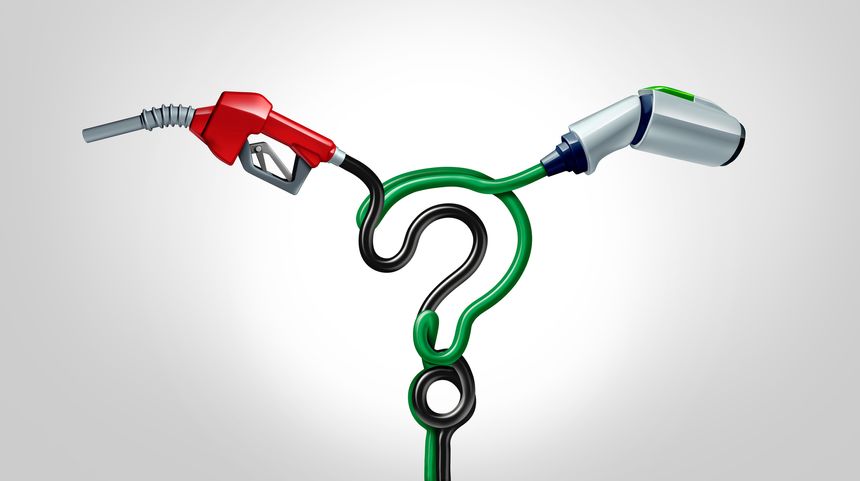
As the US automotive industry moves toward greater electrification, the sources of supply-chain risk are changing.
The US remains a major oil producer, but domestic fuel prices are still exposed to a global oil market influenced by geopolitical events and supply disruptions. Batteries present a different consideration: geographic concentration.
Automotive News reports that “China accounted for more than 80 percent of battery cell production, 85 percent of cathode active material production and more than 90 percent of anode active material production.” China batteries vs. foreign oil: The U.S. energy dilemma and the auto industry
The article also makes an important distinction between the two forms of dependence. Gasoline is consumed once, while an EV battery can remain operational for a decade or longer. Critical battery materials can also be recycled, and batteries can store electricity generated from a variety of energy sources.
The US has many of the raw materials necessary to support a domestic battery supply chain, but possessing those resources is only part of the equation. The article identifies domestic refining and processing capacity as a significant gap, limiting the ability to turn those resources into a more self-sufficient domestic supply chain.
For automakers and suppliers, the comparison highlights how the shift toward electrification is changing supply chain considerations. Diversified sourcing, domestic processing, alternative materials, and flexibility across vehicle technologies offer different ways to manage these changing risks. As the industry continues to evolve, so too will the sources and nature of supply-chain risk.